
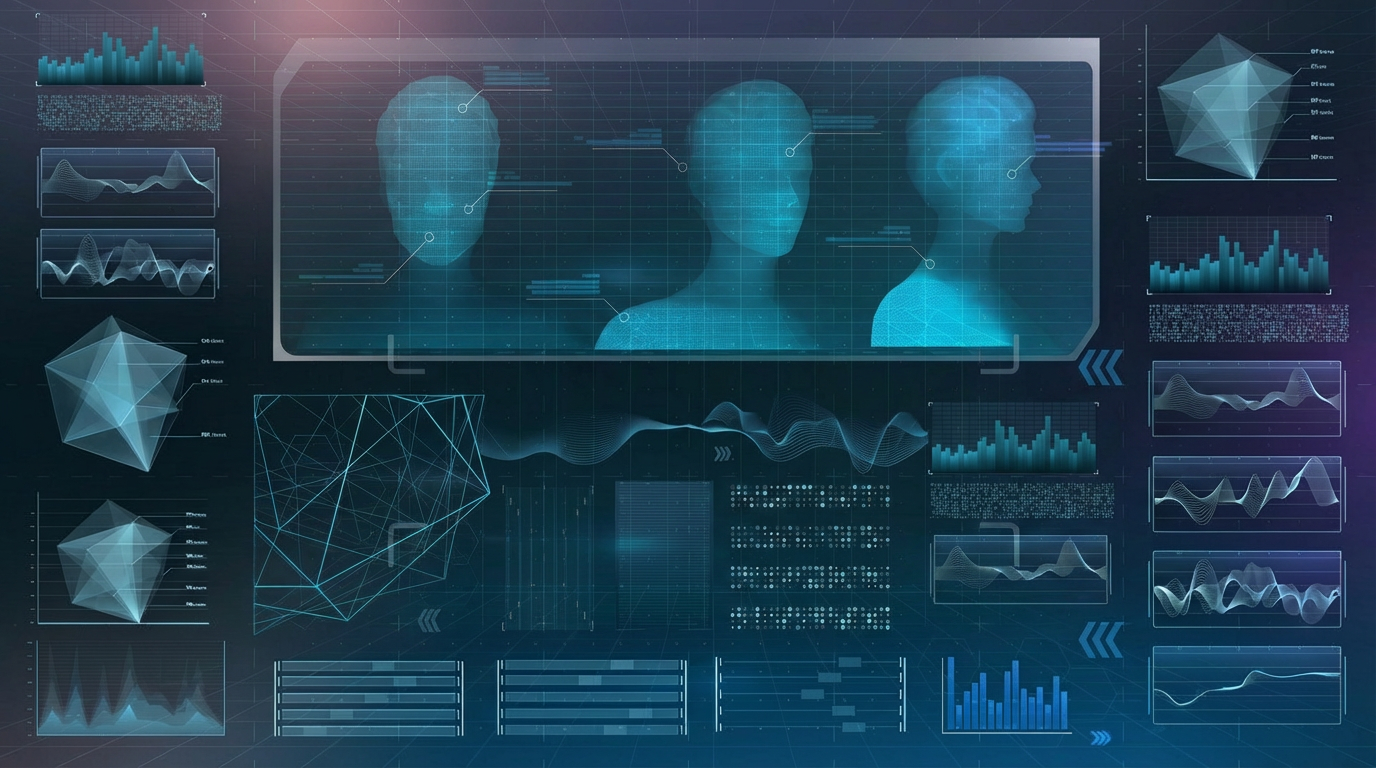
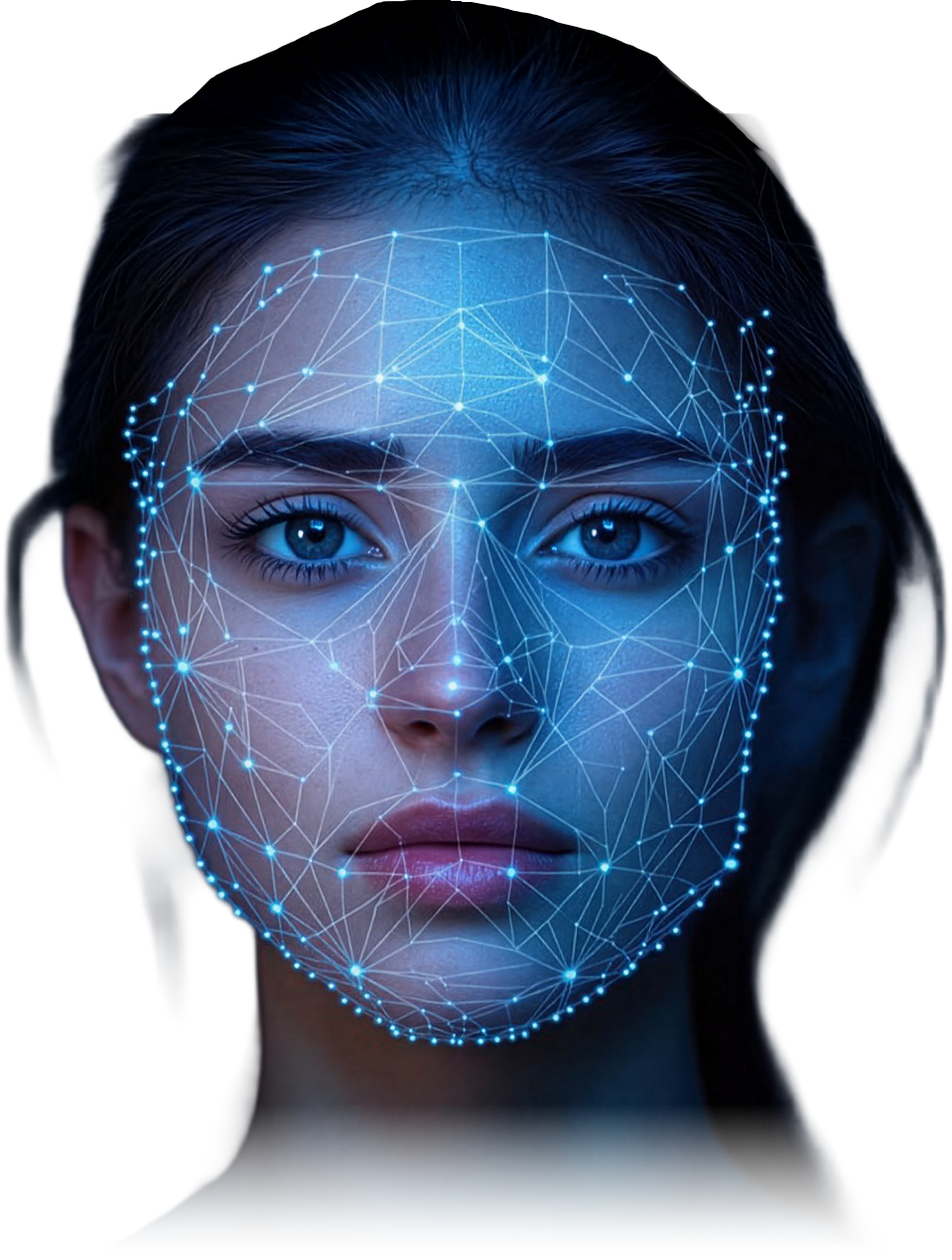
Generative models can now produce convincing audio, video, images and text at scale, making manipulated or synthetic content increasingly difficult to detect. DETECTOR addresses this challenge through a scalable, time-aware architecture for multimodal deepfake detection, shaped by the dual need for operational scalability and forensic-grade output. The approach balances speed, accuracy and legal readiness, supporting both fast triage and more in-depth forensic analysis. This article outlines the key design principles behind the DETECTOR framework.
The challenge
DETECTOR aims to implement an end-to-end technological approach to deepfake detection that is both forensic-grade and operationally scalable, drawing on current research best practice. Not all content needs the same depth of analysis, and constrained compute resources demand an architecture that prioritises low-latency triage while enabling deferred, compute-intensive forensic work.
Design principles
DETECTOR’s system design is guided by a set of principles derived from both research and operational needs: modality specialisation combined with multimodal fusion; asynchronous processing via an event bus; time-aware two-tier workflows (fast triage and deferred forensic analysis); immutable evidence handling and explainability; and continuous dataset curation and adaptation to emerging generative methods.
The event bus provides ordered topics, retention and replay; it decouples producers and consumers and supports priority partitioning and consumer groups for horizontal scaling. A dedicated fusion and decision service aggregates modality outputs, temporal signals and metadata to produce calibrated scores and explainable cues aligned with DETECTOR’s forensic objectives.
Immutable object storage retains original content, intermediate artefacts, model versions and audit logs. A human analyst interface and an active learning queue close the feedback loop. Compact messages minimise broker load, while partitions and consumer groups implement priority lanes. Autoscaling and backpressure guard stability, and let organisations tune the trade-off between coverage and depth.
Modality approaches
Within DETECTOR, all supported modalities (video, audio, image and text) are processed under a unified architectural framework and typically share a common message structure. Modality-specific processing services interpret modality-tailored fields (for example, frame ranges for video, spectrogram references for audio, or token-level markers for text), but use the same event-driven contracts and queueing semantics, enabling unified orchestration, prioritisation and fusion while preserving the necessary per-modality specifics.
Provenance and explainability
Provenance, transparency and legal compliance are first-class requirements in DETECTOR. The system is designed to support GDPR compliance through data minimisation, purpose limitation and configurable retention policies, role-based access controls and encryption; it supports lawful-basis workflows (consent, legitimate interest, legal obligation), data subject access and erasure requests, and can integrate Data Protection Impact Assessments (DPIAs) to document risk mitigation.
Key takeaways
By adopting an asynchronous, message-driven pipeline that combines modality-specialised detectors, multimodal fusion and prioritised processing, DETECTOR delivers a scalable and time-aware deepfake detection system. Immutable provenance, explainability and continuous learning make it resilient to evolving generative threats and suitable for operational and forensic use. Together, these elements provide a foundation for detection workflows that are structured, transparent and adaptable to changing threats.
Next steps
DETECTOR project is now moving from design to implementation along three focused tracks. First, dataset generation, curation and annotation for media forensics: build a provenance-tracked registry, produce realistic augmentations and label sets, and define annotation standards for multimodal evidence. Second, algorithms for manipulated and synthetic media: develop and validate modality-specialised and multimodal models, implement calibration and continual-learning mechanisms, and maintain adversarial augmentation to cover emerging generators. Third, detection tools development, integration and evaluation: implement the ingestion and shared event schema, integrate fusion and analyst workflows, and run throughput and robustness evaluations.
Follow DETECTOR’s activities to learn more about the project’s work.