

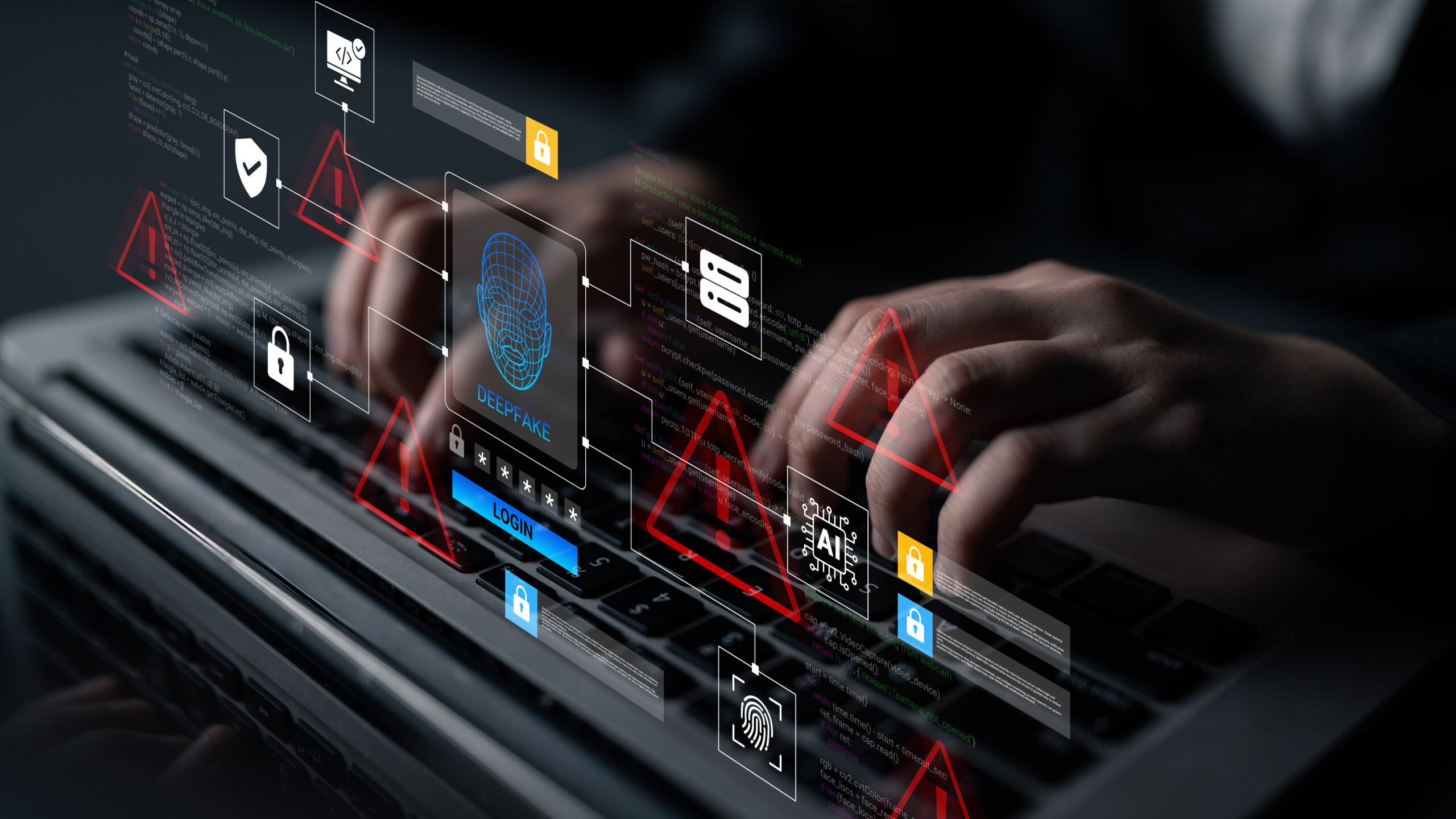

The rapid development of generative artificial intelligence has made synthetic media–including manipulated or AI-generated audio, images, video and text– increasingly accessible and convincing. For Finnish law enforcement and other practitioners, this creates new challenges in how digital material is assessed, verified, and ultimately relied upon during investigations. The DETECTOR project is working to address these challenges by developing and testing methods that can support the identification of synthetic content and the assessment of digital evidence. The aim is not simply to determine whether something appears “real” or “fake”, but to explore how technical findings can contribute to robust, transparent and explainable forensic processes.
Three Risks for Criminal Investigations
The growing availability of synthetic media creates several distinct risks for law enforcement. The Finnish Police, partners in DETECTOR, highlighted several key points to consider:
1. Undetected synthetic media
Increasingly sophisticated manipulation may be difficult to identify through conventional investigative approaches or human observation alone. If synthetic content is not recognised, it may be treated as authentic, potentially influencing investigative decisions or how other evidence is interpreted.
2. Establishing scientifically robust findings
Identifying signs of manipulation is only part of the challenge. Where findings may contribute to criminal proceedings, practitioners also need to understand how conclusions were reached, the reliability and limitations of the methods used, and how results can be independently assessed or challenged.
Forensic deepfake detection therefore needs to move beyond simple binary outputs. DETECTOR is exploring approaches that support more transparent and interpretable assessment, recognising that technical outputs must ultimately be considered within a wider forensic context.
3. The “liar’s dividend”
The existence of convincing deepfakes creates another problem: genuine evidence can increasingly be challenged simply by claiming that it has been manipulated or artificially generated.
This so-called “liar’s dividend” means that assessing authenticity matters not only for identifying fake material, but also for building confidence in genuine digital evidence.
Beyond Detection: Evidential Integrity and Expert Assessment
Moving from deepfake detection to evidential trust requires multiple steps. Technology alone cannot resolve these challenges.
Chain of custody and evidential integrity remain fundamental. The origin of digital material, how it has been collected and handled, and whether changes have occurred during processing can all affect how evidence is understood and relied upon. Technical analysis needs to sit within an auditable evidential process rather than operate in isolation.
It is also important to distinguish between integrity and authenticity. Demonstrating that a digital file has remained unchanged since it was collected does not necessarily show that the content itself is authentic. Synthetic media makes this distinction increasingly important.
Similarly, the output of a deepfake detection system should not be treated as definitive proof on its own. Automated findings need to be interpreted alongside other available evidence, the known capabilities and limitations of the method, and professional forensic judgement.
For DETECTOR, meaningful human oversight is therefore an important part of the research. The project is working towards approaches in which detection results can support qualified practitioners rather than replace their judgement.
Supporting Practitioners through Training
As well as producing technological solutions, DETECTOR will also develop training and knowledge-building activities for law enforcement and forensic professionals. These will help practitioners understand different forms of manipulation, interpret AI-supported findings, and recognise the legal, ethical, and evidential considerations surrounding their use.
Training will also consider practical issues such as evidential integrity, reporting, human oversight and communicating technical findings to investigative and judicial audiences.
This is particularly important because effective use of future detection technologies will depend not only on their technical performance, but also on whether practitioners understand what the results mean, what they do not mean, and how to incorporate them into existing investigative and forensic workflows.
Looking Ahead
DETECTOR is still working towards these outcomes. The project is developing datasets, detection methods and integrated tools, and will be testing their performance and relevance with law enforcement and forensic practitioners.
The objective is not to promise a single technology that can resolve the deepfake challenge. Instead, DETECTOR aims to contribute to a stronger European capability for detecting, assessing and responsibly handling synthetic media, combining technical research with forensic validation, legal and ethical considerations, human expertise and practitioner training.
For Finnish law enforcement– and for investigators and forensic professionals across Europe– this work can help build the knowledge, methods and evidence base needed to respond to a rapidly changing digital environment while maintaining confidence in the material that may ultimately support judicial decision-making.